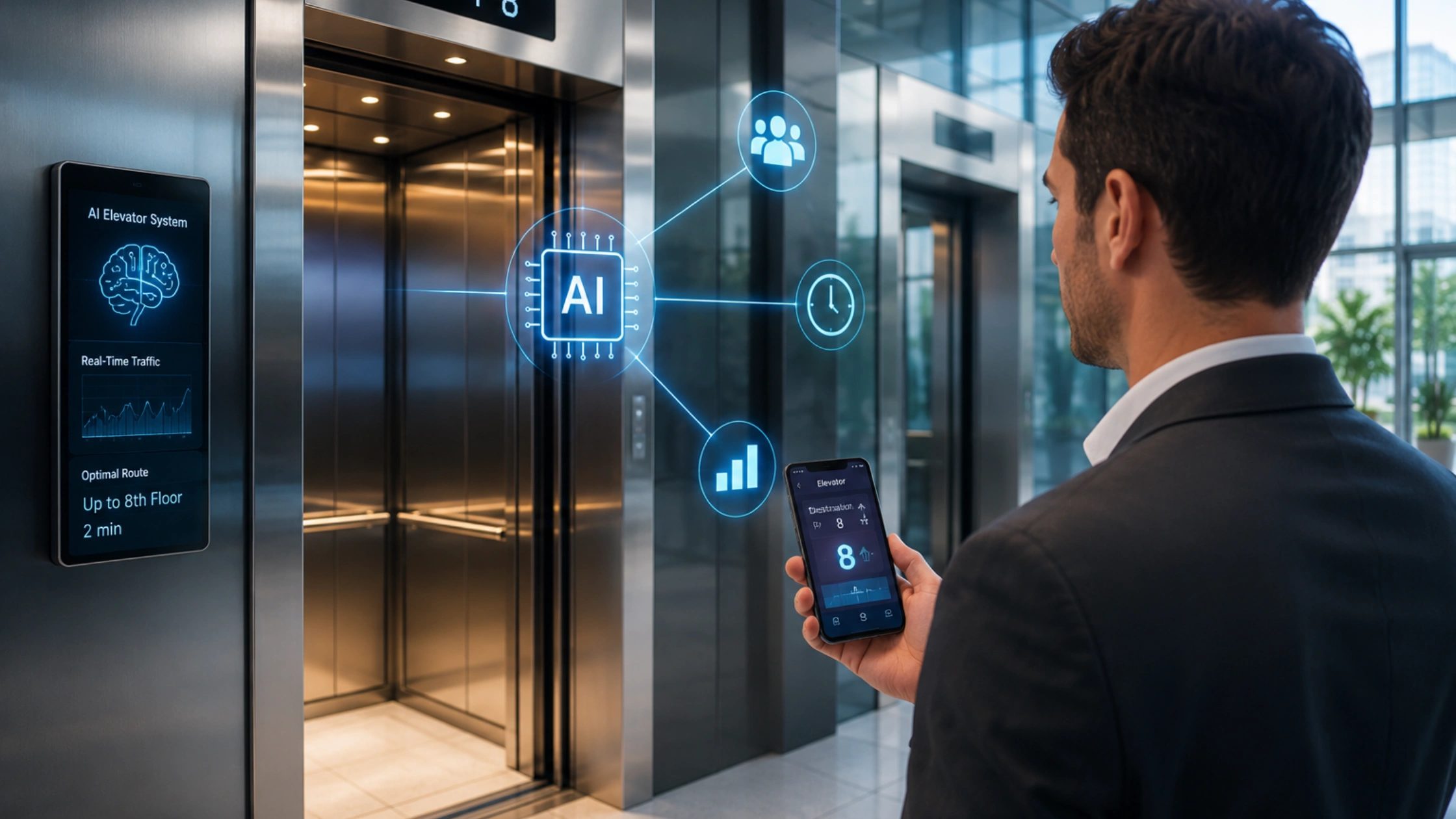
Technology is transforming the way modern buildings operate, and elevators are no exception. As smart buildings become more common, artificial intelligence is playing a major role in improving elevator performance, safety, and user experience. Property developers, facility managers, and homeowners are increasingly exploring advanced elevator solutions through a lift showroom in Bangalore to understand how intelligent systems can improve building operations.
AI-powered elevators are changing the future of vertical transportation by making lifts more efficient, responsive, and reliable. Companies like BG Elevators are witnessing growing interest in smart elevator technologies as building owners seek innovative solutions that align with modern infrastructure needs. BG Elevators recognizes the importance of integrating advanced technology into elevator systems to create smarter and more connected buildings.
In this blog, we will explore how AI-powered elevators work, their benefits, and how they are helping shape the future of smart buildings.
What Are AI-Powered Elevators?
AI-powered elevators use artificial intelligence and advanced software systems to improve the way elevators operate.
Unlike traditional elevators that simply respond to button commands, AI-enabled elevators can analyze data, predict usage patterns, and make intelligent decisions to optimize performance.
These elevators use technologies such as:
- Artificial Intelligence (AI)
- Machine Learning
- Internet of Things (IoT)
- Cloud Connectivity
- Predictive Analytics
Together, these technologies help elevators become smarter and more efficient.
How AI Is Transforming Elevator Systems
Artificial intelligence allows elevator systems to learn from user behavior and building traffic patterns.
For example, an AI-powered elevator can identify peak usage times and automatically adjust its operations to reduce waiting times.
Instead of reacting to passenger requests, intelligent elevators can anticipate demand and respond more effectively.
This leads to:
- Faster service
- Reduced waiting times
- Better energy efficiency
- Improved passenger experience
The Role of Smart Buildings
Smart buildings use connected technologies to improve building management and occupant comfort.
These buildings often include:
- Smart lighting systems
- Automated climate control
- Security monitoring systems
- Intelligent energy management
- Connected elevator systems
AI-powered elevators are becoming an important component of this smart ecosystem.
By communicating with other building systems, elevators can contribute to overall operational efficiency.
Benefits of AI-Powered Elevators
1. Reduced Waiting Times
One of the biggest advantages of AI-powered elevators is improved traffic management.
The system analyzes usage data and predicts passenger demand throughout the day.
This helps elevators respond more quickly during busy periods and reduce waiting times for occupants.
2. Improved Energy Efficiency
Traditional elevators often consume energy regardless of traffic conditions.
AI-powered systems can optimize movement patterns and reduce unnecessary trips.
This helps buildings lower energy consumption and operating costs.
3. Enhanced Passenger Experience
AI technology helps create a smoother and more comfortable elevator experience.
Passengers benefit from:
- Faster travel times
- Reduced congestion
- Better ride quality
- More reliable operation
These improvements contribute to higher occupant satisfaction.
4. Smarter Traffic Management
In large buildings, elevator traffic can become challenging during peak hours.
AI systems can analyze:
- Passenger flow
- Occupancy levels
- Travel patterns
- Floor demand
Based on this information, elevators can be dispatched more efficiently.
Predictive Maintenance: A Major Advantage
One of the most valuable features of AI-powered elevators is predictive maintenance.
Traditional maintenance often relies on scheduled inspections or repairs after a problem occurs.
AI systems continuously monitor elevator performance and identify potential issues before they become serious.
This allows building managers to:
- Prevent unexpected breakdowns
- Reduce repair costs
- Improve safety
- Increase equipment lifespan
Predictive maintenance helps ensure consistent elevator performance while minimizing downtime.
How Machine Learning Improves Elevator Performance
Machine learning enables elevators to become smarter over time.
The system collects operational data and continuously analyzes it to improve efficiency.
Examples include:
- Learning daily traffic patterns
- Optimizing elevator dispatching
- Predicting maintenance needs
- Improving energy usage
As more data becomes available, the system becomes increasingly accurate and effective.
Many modern lift suppliers in Bangalore are now offering advanced elevator solutions that incorporate intelligent monitoring and machine learning capabilities.
AI and Elevator Safety
Safety remains a top priority in elevator design.
AI technology can improve safety by monitoring elevator performance in real time.
The system can detect:
- Unusual vibrations
- Door malfunctions
- Motor performance issues
- Electrical irregularities
When potential problems are detected, maintenance teams can be notified immediately.
This proactive approach helps reduce safety risks and improve system reliability.
Contactless Elevator Technology
The demand for contactless solutions has increased significantly in recent years.
AI-powered elevators can support features such as:
- Mobile app controls
- Voice commands
- Facial recognition access
- Destination control systems
These technologies help improve convenience while reducing physical contact with elevator controls.
Data-Driven Building Management
AI-powered elevators generate valuable operational data that can support better building management decisions.
Property managers can gain insights into:
- Elevator usage trends
- Traffic patterns
- Maintenance requirements
- Energy consumption
This information helps improve overall building efficiency and resource allocation.
Environmental Benefits of AI Elevators
Sustainability is becoming increasingly important in modern construction.
AI-powered elevators contribute to environmental goals by:
- Reducing energy waste
- Optimizing elevator movement
- Lowering electricity consumption
- Supporting green building initiatives
These benefits make AI elevators attractive for environmentally conscious developers.
Future Trends in AI-Powered Elevators
The future of elevator technology is expected to include even more advanced features.
Emerging trends include:
Personalized User Experiences
Elevators may recognize users and automatically adjust settings based on preferences.
Advanced Building Integration
Elevators will communicate more effectively with security systems, access controls, and building automation platforms.
Improved Predictive Analytics
Future systems will provide even more accurate maintenance predictions and performance optimization.
Enhanced Accessibility
AI technology can help improve accessibility for elderly individuals and people with disabilities through customized user experiences.
Why Smart Buildings Need AI-Powered Elevators
Smart buildings depend on connected technologies to operate efficiently.
Elevators are one of the most frequently used systems within a building.
By integrating AI, building owners can improve:
- Operational efficiency
- Occupant comfort
- Energy management
- Maintenance planning
- Long-term asset performance
These benefits make AI-powered elevators an essential part of modern building design.
Many developers evaluating smart building solutions often research the best elevators company in Bangalore to identify advanced elevator technologies that support future-ready infrastructure.
FAQs
- How do AI-powered elevators work?
AI-powered elevators use intelligent software and data analysis to optimize elevator movement, reduce waiting times, and improve efficiency. - What are the benefits of AI-powered elevators?
They offer faster service, predictive maintenance, improved safety, better energy efficiency, and enhanced passenger comfort. - Can AI-powered elevators help reduce maintenance costs?
Yes, predictive maintenance technology can detect potential issues early, helping prevent costly repairs and unexpected breakdowns. - Are AI elevators suitable for residential buildings?
Yes, AI-powered elevators can be installed in residential, commercial, and mixed-use buildings to improve convenience and performance. - Why are AI-powered elevators important for smart buildings?
They support intelligent building management by improving operational efficiency, energy savings, and overall user experience.
Conclusion
AI-powered elevators are revolutionizing the way buildings manage vertical transportation. Through intelligent traffic management, predictive maintenance, improved safety, and enhanced passenger experiences, these systems are helping create smarter and more efficient buildings.
As technology continues to evolve, AI will play an increasingly important role in elevator innovation. Industry leaders such as BG Elevators are helping building owners adopt modern elevator solutions that align with the growing demands of smart infrastructure.
For developers, property managers, and homeowners, investing in intelligent elevator systems can provide long-term operational benefits while improving user satisfaction. With support from experienced providers like BG Elevators, smart buildings can take full advantage of the next generation of elevator technology.