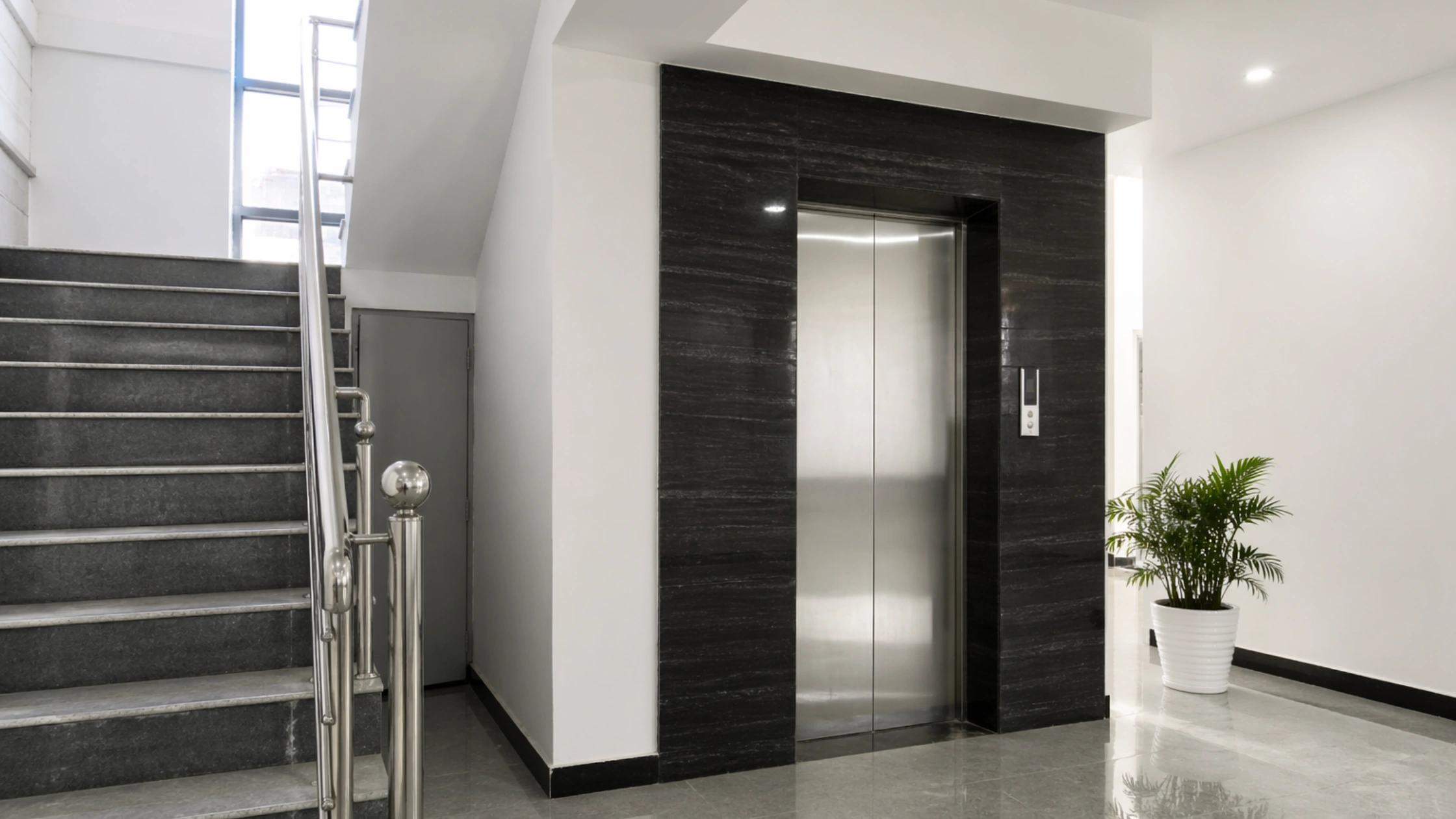
Installing an elevator is a major decision for any building owner. Whether it is a residential property, commercial space, or industrial building, adding a lift improves accessibility, convenience, and property value. However, the process involves careful planning, technical understanding, and the right service provider.
When considering such an important investment, companies like BG Elevators play a key role in guiding customers through the entire process. With proper knowledge and the right approach, you can ensure a smooth and successful installation experience with BG Elevators.
Why Installing an Elevator is Important
An elevator is no longer a luxury—it has become a necessity in modern buildings. With increasing urbanization and multi-storey constructions, lifts are essential for ease of movement.
Some key benefits include:
- Improved accessibility for elderly and disabled individuals
- Increased property value
- Better convenience in daily life
- Enhanced building functionality
- Time-saving and energy-efficient mobility
Before proceeding, it is important to understand all aspects of installation to avoid costly mistakes.
Types of Elevators You Can Choose From
Before installation, selecting the right type of elevator is crucial. The choice depends on your building structure, usage, and budget.
- Passenger Elevators
These are the most common elevators used in residential apartments and commercial buildings.
- Freight Elevators
Designed for carrying heavy goods, commonly used in warehouses and industries.
- Hydraulic Elevators
Best suited for low-rise buildings. They are cost-effective and easy to maintain.
- Machine Room Less (MRL) Elevators
These elevators do not require a separate machine room, saving space and construction cost.
- Home Elevators
Specially designed for villas and small residential buildings, offering compact design and comfort.
Factors to Consider Before Installing an Elevator
Installing an elevator is not just about choosing a design. There are multiple factors that must be evaluated carefully.
1. Building Structure and Space
The available space in your building determines the type of elevator you can install. Shaft size, pit depth, and overhead clearance must be measured accurately.
2. Load Capacity
You need to decide how many people or how much weight the elevator should carry. This depends on the building usage.
3. Number of Floors
The height of the building affects the type of elevator system required. High-rise buildings need advanced systems compared to low-rise structures.
4. Budget Planning
Costs include installation, maintenance, electricity consumption, and future upgrades. Planning your budget in advance helps avoid unexpected expenses.
5. Safety Features
Safety is the most important aspect. Ensure the elevator includes:
- Emergency alarm systems
- Backup power supply
- Automatic door sensors
- Fire safety features
Legal Approvals and Regulations
Before installing an elevator, you must follow local building regulations and safety standards. In India, elevators must comply with state-specific lift laws and safety certifications.
Important steps include:
- Obtaining permission from local authorities
- Ensuring compliance with safety norms
- Regular inspections after installation
- Certification from authorized agencies
Ignoring legal requirements can lead to penalties and safety risks.
Choosing the Right Elevator Company
Selecting a reliable elevator company is one of the most important decisions. A good company ensures quality installation, long-term support, and safety compliance.
While searching, many people look for the best elevators services in Bangalore to ensure they get professional and trustworthy solutions.
Here are some tips to choose the right provider:
- Check experience and expertise
- Look at past projects and reviews
- Ensure they provide after-sales service
- Ask about maintenance contracts
- Verify certifications and licenses
Questions You Should Ask Before Installation
Before finalizing the installation, it is important to clarify all doubts. Asking the right questions helps you avoid future problems.
Here are some essential questions to ask before installing:
- What type of elevator is best for my building?
- What is the total installation cost?
- How long will the installation take?
- What safety features are included?
- Do you provide maintenance services?
- What is the warranty period?
These questions will help you make an informed decision.
Understanding the Installation Process
The elevator installation process involves several steps. Knowing these steps helps you understand the timeline and requirements.
Step 1: Site Inspection
Engineers inspect the building and analyze space, structure, and requirements.
Step 2: Design and Planning
A customized design is prepared based on your needs and building layout.
Step 3: Civil Work Preparation
Construction of the elevator shaft, pit, and machine room (if required).
Step 4: Equipment Installation
Installation of elevator components such as rails, cabin, and control systems.
Step 5: Testing and Safety Checks
Thorough testing is done to ensure proper functioning and safety compliance.
Step 6: Final Handover
After successful testing, the elevator is handed over for use.
Cost of Elevator Installation
The cost of installing an elevator depends on several factors:
- Type of elevator
- Number of floors
- Load capacity
- Technology used
- Customization requirements
For example, lift installation in Bangalore may vary depending on building size and features. On average, residential elevators cost less than commercial or high-rise systems.
Always request a detailed quotation to understand all expenses clearly.
Common Mistakes to Avoid
Many people make mistakes during elevator installation due to lack of awareness. Avoiding these mistakes can save time and money.
- Ignoring Space Requirements
Incorrect measurements can lead to installation issues.
- Choosing the Wrong Type
Not all elevators suit every building.
- Skipping Safety Features
Compromising on safety can lead to serious risks.
- Not Checking Company Credentials
Always verify the service provider before hiring.
- Ignoring Maintenance Planning
Lack of maintenance leads to frequent breakdowns.
Future Trends in Elevator Technology
Modern elevators are becoming smarter and more efficient. Some latest trends include:
- Smart elevators with touchless controls
- Energy-efficient systems
- AI-based predictive maintenance
- High-speed elevators for tall buildings
- Eco-friendly and sustainable designs
Keeping these trends in mind can help you make a future-ready investment.
FAQs
- How long does it take to install an elevator?
The installation time usually depends on the type of elevator and building structure. On average, it can take anywhere from 2 to 6 weeks, including civil work and final testing.
- What is the minimum space required for an elevator?
The space required depends on the type and capacity of the lift. Compact home elevators need less space, while commercial elevators require a larger shaft and additional structural provisions.
- Is it necessary to have a machine room for every elevator?
No, not all elevators require a machine room. Machine Room Less (MRL) elevators are designed to save space and are commonly used in modern buildings.
- What are the maintenance requirements after installation?
Regular maintenance is essential for safety and smooth operation. This includes periodic inspections, servicing of mechanical parts, and checking safety systems. Opting for an AMC (Annual Maintenance Contract) is recommended.
- How much does elevator installation cost?
The cost varies based on factors like type of elevator, number of floors, load capacity, and customization. Residential elevators are generally more affordable than commercial systems.
Conclusion
Installing an elevator is a long-term investment that requires careful planning, proper knowledge, and the right decisions. From choosing the right type to understanding costs and safety, every step plays a crucial role in ensuring success.
Working with experienced companies like BG Elevators ensures that you receive professional guidance, quality installation, and reliable service. With the right approach and support from BG Elevators, you can make your building more functional, safe, and modern.