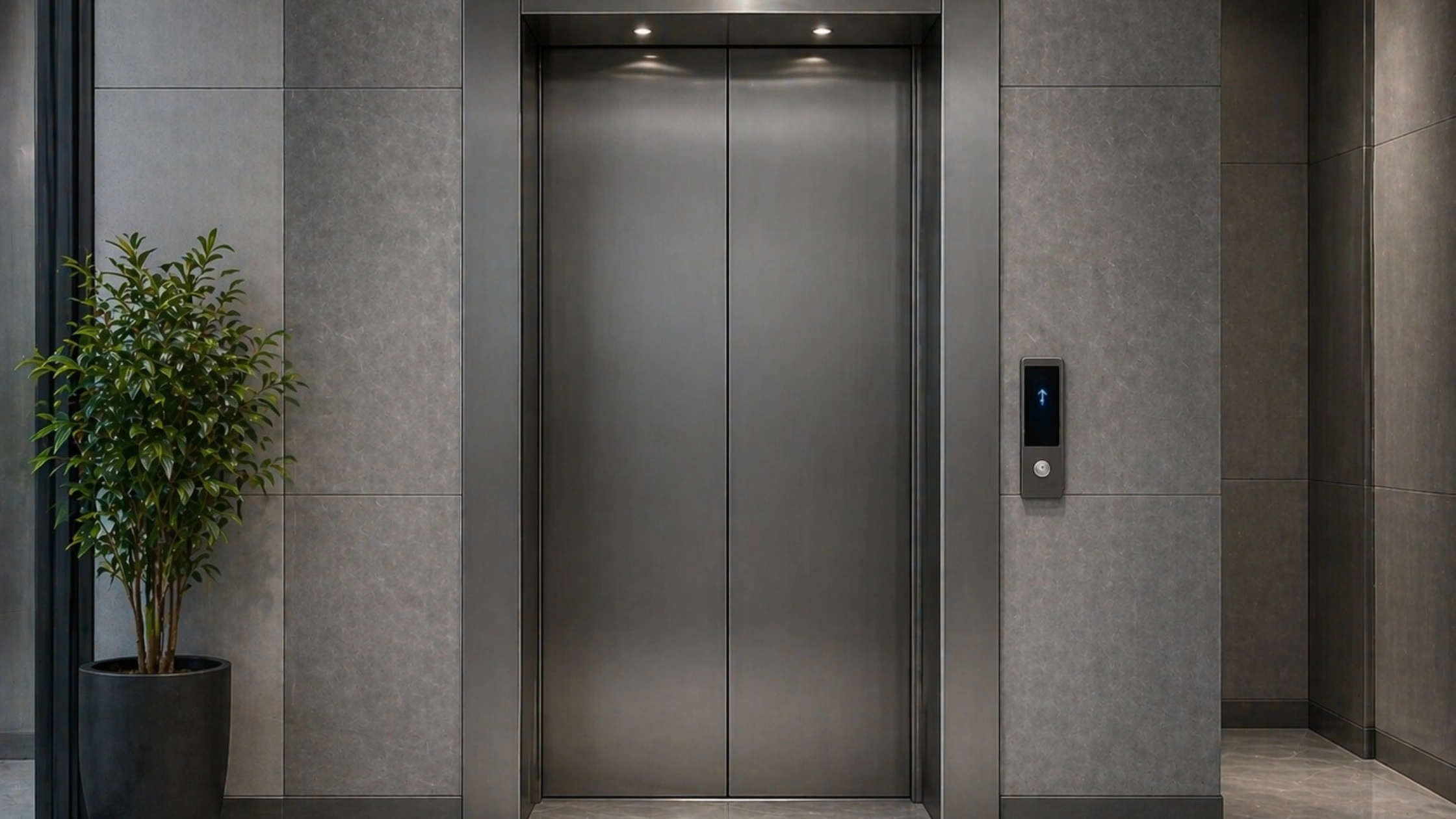
In a fast-growing city like Bangalore, elevators have become an essential part of daily life in residential apartments, commercial buildings, and office spaces. Whether it is a small building or a high-rise structure, elevators ensure smooth vertical movement and convenience. Companies like BG Elevators have contributed significantly to providing reliable lift solutions that meet modern building needs.
When investing in an elevator, one of the most common questions building owners ask is: How long will the elevator last? Understanding elevator lifespan is important because it directly affects safety, maintenance costs, and long-term performance. Choosing the right system and maintaining it properly can make a huge difference in how efficiently your elevator operates over the years. In a competitive market with many elevator dealers in Bangalore, making informed decisions becomes even more important.
What is Elevator Lifespan?
Elevator lifespan refers to the total number of years an elevator system can function efficiently and safely before it requires major upgrades or complete replacement. On average, most elevators last between 15 to 25 years, depending on usage, maintenance, and quality of installation.
However, lifespan is not just about how long the elevator exists. It is about how well it performs throughout its life. A well-maintained elevator can operate smoothly for decades, while a poorly maintained one may start showing issues within a few years.
An elevator is a combination of several components such as:
- Motor and drive system
- Control panel and wiring
- Cabin structure and doors
- Safety systems and sensors
Each of these parts contributes to the overall lifespan. If even one component fails repeatedly, it can affect the entire system.
Why Elevator Lifespan Matters
Understanding elevator lifespan is not just a technical concern—it has practical and financial implications.
- Safety
An aging or poorly maintained elevator can pose safety risks. Regular monitoring ensures that the system remains safe for users.
- Cost Efficiency
Frequent repairs can become expensive. A longer lifespan reduces the need for constant repairs and replacements.
- Performance
Older elevators may become slow, noisy, or inefficient. A good lifespan ensures smooth and reliable operation.
- Property Value
Buildings with well-maintained elevators tend to have higher value and better user satisfaction.
Typical Elevator Lifespan in Bangalore Conditions
Bangalore’s environment plays a role in elevator durability. Factors like dust, humidity, temperature variations, and heavy usage in urban buildings can influence how long an elevator lasts.
In general:
- Residential elevators: 15–20 years
- Commercial elevators: 10–15 years (due to heavy usage)
- High-rise building elevators: 20–25 years with proper maintenance
However, these numbers can vary significantly depending on how the system is installed and maintained.
Key Factors That Affect Elevator Lifespan
Now that we understand what elevator lifespan is, let’s look at the factors that influence it in detail.
1. Quality of Installation
The foundation of a long-lasting elevator starts with proper installation. Even the best equipment can fail early if it is not installed correctly.
A professional installation ensures:
- Proper alignment of components
- Accurate wiring and connections
- Smooth functioning from day one
Poor installation can lead to continuous issues such as jerky movement, door malfunctions, and system errors.
2. Frequency of Usage
Usage plays a major role in determining how long an elevator lasts.
- Residential buildings: moderate usage
- Commercial spaces: heavy usage
- Hospitals and malls: very high usage
The more frequently an elevator is used, the faster its components wear out. This is why commercial elevators often require more maintenance and may have a shorter lifespan compared to residential ones.
3. Maintenance Practices
Maintenance is one of the most critical factors affecting elevator lifespan.
Regular maintenance helps in:
- Identifying issues early
- Preventing major breakdowns
- Ensuring smooth operation
In the middle of the lifecycle, many building owners realize that consistent servicing makes a huge difference. Working with reliable elevator suppliers in Bangalore ensures access to quality spare parts and professional maintenance services.
Preventive maintenance includes:
- Lubricating moving parts
- Checking control systems
- Inspecting safety mechanisms
- Cleaning components
Skipping maintenance can reduce the lifespan drastically.
4. Quality of Components
The durability of an elevator depends heavily on the quality of its components.
High-quality components:
- Last longer
- Require fewer repairs
- Provide better performance
Low-quality parts may reduce initial costs but often lead to higher expenses in the long run due to frequent replacements.
5. Environmental Conditions
Bangalore’s environment can influence elevator performance.
Factors include:
- Dust accumulation
- Humidity levels
- Temperature fluctuations
Dust can affect mechanical parts and electrical systems, while humidity can impact wiring and control panels. Proper protection and regular cleaning help in maintaining system efficiency.
6. Load Capacity and Usage Patterns
Using an elevator beyond its capacity can significantly reduce its lifespan.
Overloading causes:
- Stress on the motor
- Faster wear of cables and pulleys
- Increased risk of breakdowns
Following load guidelines ensures that the elevator operates within safe limits.
7. Technology and System Type
Modern elevators are designed with advanced technology that improves efficiency and durability.
For example:
- Machine Room-Less (MRL) elevators save space and energy
- Smart control systems improve performance
- Energy-efficient motors reduce wear and tear
Older systems may lack these features, which can affect their lifespan.
8. Power Supply Stability
Frequent power fluctuations can impact elevator systems.
Unstable power supply can:
- Damage control panels
- Affect motor performance
- Cause sudden shutdowns
Installing proper backup systems and voltage stabilizers can help protect the elevator.
9. Timely Repairs and Upgrades
Ignoring small issues can lead to bigger problems over time.
Timely repairs:
- Prevent further damage
- Extend the life of components
- Maintain performance
Upgrading certain parts, such as control systems or doors, can also extend the overall lifespan without replacing the entire elevator.
10. User Behavior
How people use the elevator also matters.
Common misuse includes:
- Overloading
- Forcing doors open
- Pressing multiple buttons unnecessarily
Educating users about proper usage can help maintain the system.
Signs That an Elevator is Reaching the End of Its Lifespan
Even with proper care, elevators eventually show signs of aging.
Some common signs include:
- Frequent breakdowns
- Slow or jerky movement
- Unusual noises
- Increased maintenance costs
- Outdated control systems
When these issues become frequent, it may be time to consider modernization or replacement.
How to Extend Elevator Lifespan
Extending elevator lifespan is possible with the right approach.
- Regular Maintenance
Schedule routine inspections and servicing.
- Use Quality Parts
Always choose durable and reliable components.
- Avoid Overloading
Follow recommended weight limits.
- Upgrade When Needed
Modernize outdated systems to improve performance.
- Choose Professional Services
Working with experienced providers of best lifts services in Bangalore ensures long-term reliability.
FAQs
- What is the average lifespan of an elevator?
The average lifespan of an elevator is typically 15 to 25 years, depending on factors like usage, maintenance, and quality of installation. With proper care, some elevators can last even longer.
- How can I increase the lifespan of my elevator?
You can extend your elevator’s lifespan by:
- Scheduling regular maintenance
- Using high-quality components
- Avoiding overloading
- Upgrading outdated systems when needed
Consistent care plays a major role in long-term performance.
- How often should an elevator be serviced?
Elevators should ideally be serviced once a month for routine checks, along with periodic detailed inspections. High-usage elevators may require more frequent servicing.
- What are the signs that an elevator needs replacement?
Some common signs include:
- Frequent breakdowns
- Unusual noises or vibrations
- Slow or jerky movement
- Increasing repair costs
If these issues persist, modernization or replacement may be required.
- Does maintenance really affect elevator lifespan?
Yes, maintenance is one of the most important factors. Regular servicing helps prevent major issues, improves performance, and significantly increases the overall lifespan of the elevator.
Conclusion
Elevator lifespan is influenced by multiple factors, including installation quality, usage, maintenance, and environmental conditions. Understanding these factors helps building owners make better decisions and ensures safe, efficient operation over the years.
Investing in proper care and timely upgrades can significantly extend the life of an elevator, reducing costs and improving user experience. Companies like BG Elevators emphasize the importance of quality installation and maintenance to achieve long-lasting performance. Choosing the right approach today can ensure that your elevator continues to serve efficiently for many years to come with BG Elevators as a trusted solution provider.