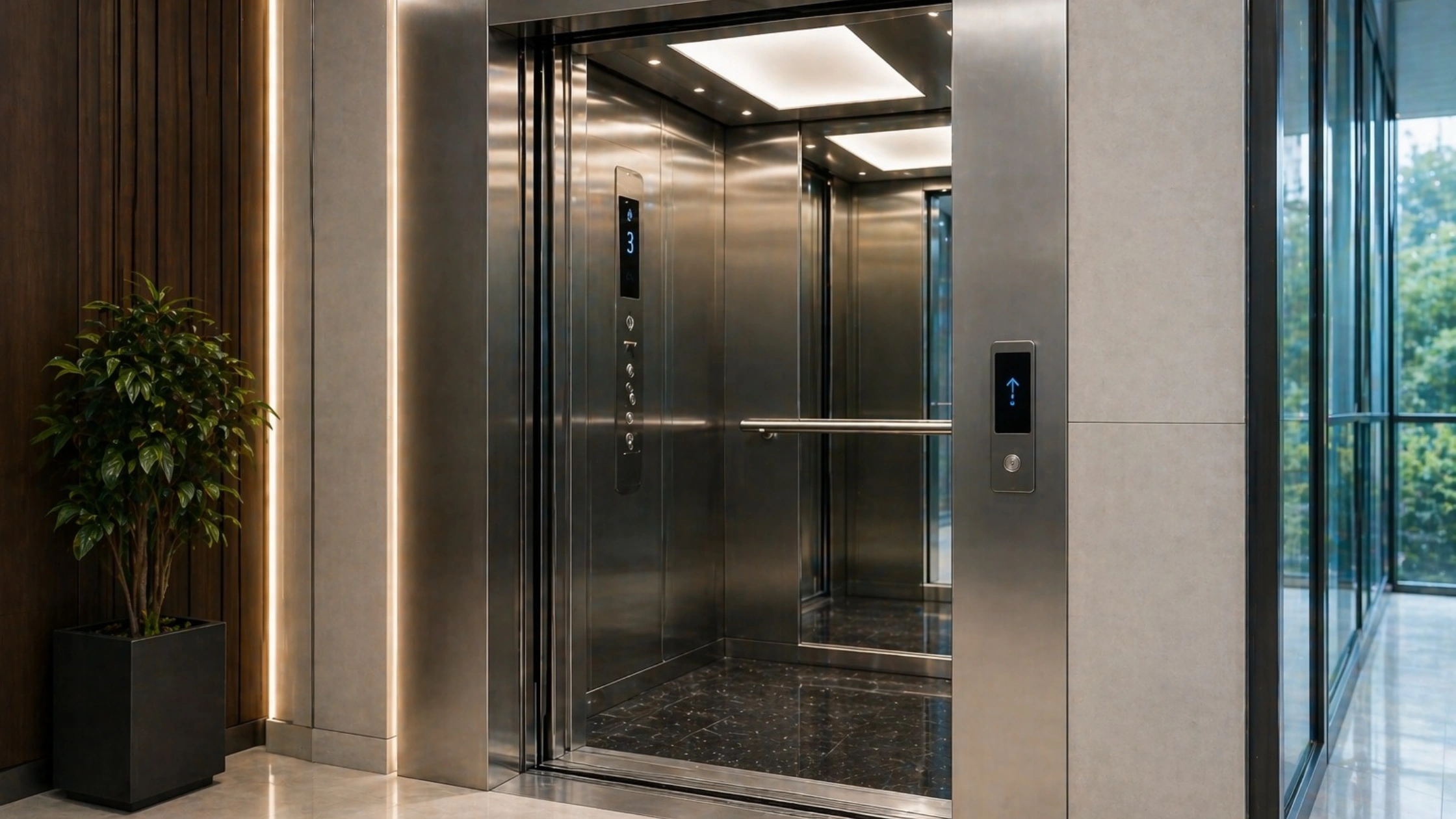
Planning an elevator in a building is not just about convenience—it plays a major role in safety, accessibility, and long-term usability. In a fast-growing city like Bangalore, where high-rise apartments, commercial complexes, and villas are becoming more common, proper elevator planning is essential. A well-placed elevator improves daily movement, enhances property value, and ensures smooth operations for years.
Companies like BG Elevators understand how important correct planning is right from the early stages of construction. Whether it is a residential building or a commercial space, thoughtful elevator placement can save both time and cost in the future. With growing urban density, building owners are also becoming more aware of the importance of smart vertical mobility systems.
In this blog, we will explain everything in a simple way—from choosing the right location to understanding technical factors—so that you can plan elevator placement efficiently in Bangalore buildings.
Why Elevator Placement Matters
Before going into planning, it’s important to understand why elevator placement is so critical.
- It affects daily convenience for residents and users
- It impacts building design and space utilization
- It ensures safety during emergencies
- It improves property value and usability
Incorrect placement can lead to congestion, inefficiency, and even safety risks. That’s why planning should begin at the design stage itself, not after construction has started.
Understanding Building Requirements
Every building is different, and elevator placement depends on multiple factors such as:
- Type of Building
- Residential apartments
- Villas or independent homes
- Commercial offices
- Hospitals or public buildings
Each type has different usage patterns, so the elevator must be placed accordingly.
- Number of Floors
Higher buildings require more planning to ensure smooth movement without delays.
- User Traffic
Think about how many people will use the elevator daily. High-traffic buildings need better positioning and sometimes multiple lifts.
Ideal Locations for Elevator Placement
Choosing the right location is one of the most important steps.
Central Location
Placing the elevator in a central area ensures equal access from all parts of the building.
Near Staircases
Elevators are usually placed near staircases for safety and convenience. This helps in emergencies and improves accessibility.
Entrance Accessibility
The elevator should be easily accessible from the main entrance, especially in commercial buildings.
Avoid Dead Corners
Placing lifts in isolated corners can reduce usability and create inconvenience for users.
Space Planning and Structural Considerations
Elevators require proper space planning. Ignoring this can lead to major structural issues later.
Shaft Space
You need a dedicated vertical shaft for the elevator. This should be planned during the design phase.
Machine Room or MRL
Depending on the type of elevator:
- Traditional lifts require a machine room
- MRL (Machine Room Less) elevators save space
Pit and Headroom
Adequate pit depth and overhead space are necessary for safe installation and operation.
Factors That Influence Efficient Placement
1. Building Layout
The internal design of the building affects where the elevator should be placed. Corridors, rooms, and common areas must be considered.
2. Accessibility Needs
Ensure the elevator is accessible to:
- Elderly people
● Children
- People with disabilities
3. Future Expansion
Always plan for future needs. Even if your building is small now, it might expand later.
Traffic Flow Planning
Efficient elevator placement depends heavily on traffic flow.
Peak Hours
In commercial buildings, elevators should handle rush hours efficiently.
Residential Usage
In apartments, usage is spread throughout the day, so placement should reduce walking distance for residents.
Multiple Elevators
In larger buildings, placing multiple elevators strategically helps reduce waiting time.
Safety Considerations
Safety is a key part of elevator planning.
Emergency Access
Elevators should be easily accessible during emergencies like fire or medical situations.
Fire Safety Norms
Follow local Bangalore building regulations for elevator placement related to fire safety.
Backup Systems
Plan for power backup systems to ensure continuous operation.
Choosing the Right Elevator Type
Different buildings require different types of elevators.
- Passenger elevators for apartments
- Goods elevators for warehouses
- Home elevators for villas
- Hospital elevators for medical facilities
Each type has different placement requirements.
Working with Professionals
Planning elevator placement is not a DIY task. It requires expertise.
Consulting experienced lift contractors in Bangalore can help you:
- Understand building requirements
- Choose the right elevator type
- Ensure compliance with regulations
Professional guidance ensures better planning and avoids costly mistakes.
Common Mistakes to Avoid
Ignoring Early Planning
Planning after construction begins can lead to structural changes and extra costs.
Poor Location Choice
Placing elevators far from main areas reduces usability.
Underestimating Space
Insufficient shaft or pit space can create installation issues.
Not Considering Maintenance
Always plan space for future servicing and inspections.
Maintenance and Long-Term Efficiency
Proper planning also makes maintenance easier.
Regular servicing keeps elevators running smoothly and safely. Simple tasks like inspection, cleaning, and lubrication can prevent major issues.
You can even follow basic practices like 10 easy elevator maintenance tasks to ensure long-term performance.
Efficient placement ensures that maintenance teams can easily access the system without disrupting building operations.
Cost Considerations
Elevator placement also affects overall cost.
Construction Cost
Proper planning reduces structural modifications.
Operational Cost
Efficient placement reduces energy consumption and wear and tear.
Maintenance Cost
Easy access reduces servicing time and cost.
Investing in proper planning today can save money in the future.
Role of Technology in Elevator Placement
Modern technology is changing how elevators are planned.
- Smart traffic management systems
- Energy-efficient designs
- Compact elevator models
These innovations allow better placement even in smaller spaces.
Bangalore-Specific Considerations
Bangalore has unique factors that affect elevator planning:
Space Constraints
Urban areas often have limited space, requiring compact solutions.
High-Rise Growth
With more high-rise buildings, efficient vertical transportation is essential.
Climate Conditions
Weather conditions can affect materials and performance.
Local Regulations
Always follow Bangalore building codes and safety standards.
Improving User Experience
A well-placed elevator improves daily life.
- Reduces waiting time
- Improves accessibility
- Enhances comfort
- Increases property value
Modern buildings focus on user experience, and elevator placement plays a big role in that.
FAQs
- What is the best location to place an elevator in a building?
The best location is usually a central and easily accessible area, preferably near staircases. This ensures convenience for all users and improves safety during emergencies.
- How much space is required for elevator installation?
The space depends on the type of elevator, but generally includes a shaft, pit depth, and overhead clearance. Proper planning during the design stage helps avoid space issues later.
- Can an elevator be installed in an existing building?
Yes, elevators can be installed in existing buildings, but it requires structural evaluation and proper planning to ensure safety and efficiency.
- How does elevator placement affect building efficiency?
Proper placement reduces waiting time, improves traffic flow, and enhances accessibility, making daily movement smoother for residents and users.
- Why is professional guidance important for elevator planning?
Experts understand building structure, safety regulations, and technical requirements, helping you avoid costly mistakes and ensure long-term performance.
Conclusion
Planning elevator placement efficiently is a crucial step in modern building design. From choosing the right location to understanding technical requirements, every detail matters. A well-planned elevator system ensures safety, convenience, and long-term performance.
With the right approach and expert guidance, building owners can avoid common mistakes and create a smooth vertical transportation system. Companies like BG Elevators focus on proper planning and execution to deliver reliable solutions for different types of buildings.
If you are planning a new building or upgrading an existing one, always prioritize elevator placement from the beginning. It not only improves functionality but also adds long-term value to your property.
Choosing the best elevators services in Bangalore ensures that your building meets modern standards of safety, efficiency, and comfort. With proper planning and expert support, you can create a building that is both practical and future-ready with the help of BG Elevators.