Elevators have become an essential part of modern buildings, providing safe and convenient transportation for residents, employees, and visitors. Whether installed in high-rise apartments, commercial complexes, hospitals, or homes, lifts are used daily and must operate reliably at all times. As the demand for elevator solutions continues to grow, including small home lifts in Bangalore, the importance of regular lift inspections has become more significant than ever.
A lift is a complex system made up of mechanical, electrical, and safety components that work together to ensure smooth operation. Over time, normal wear and tear can affect these components, making regular inspections necessary. Companies like BG Elevators understand the importance of maintaining elevator safety through proper inspections and preventive measures. BG Elevators emphasizes that routine lift inspections not only improve performance but also help prevent accidents and unexpected breakdowns.
In this blog, we will explore why regular lift inspections are essential, what they involve, and how they contribute to the safety and reliability of elevator systems.
What Is a Lift Inspection?
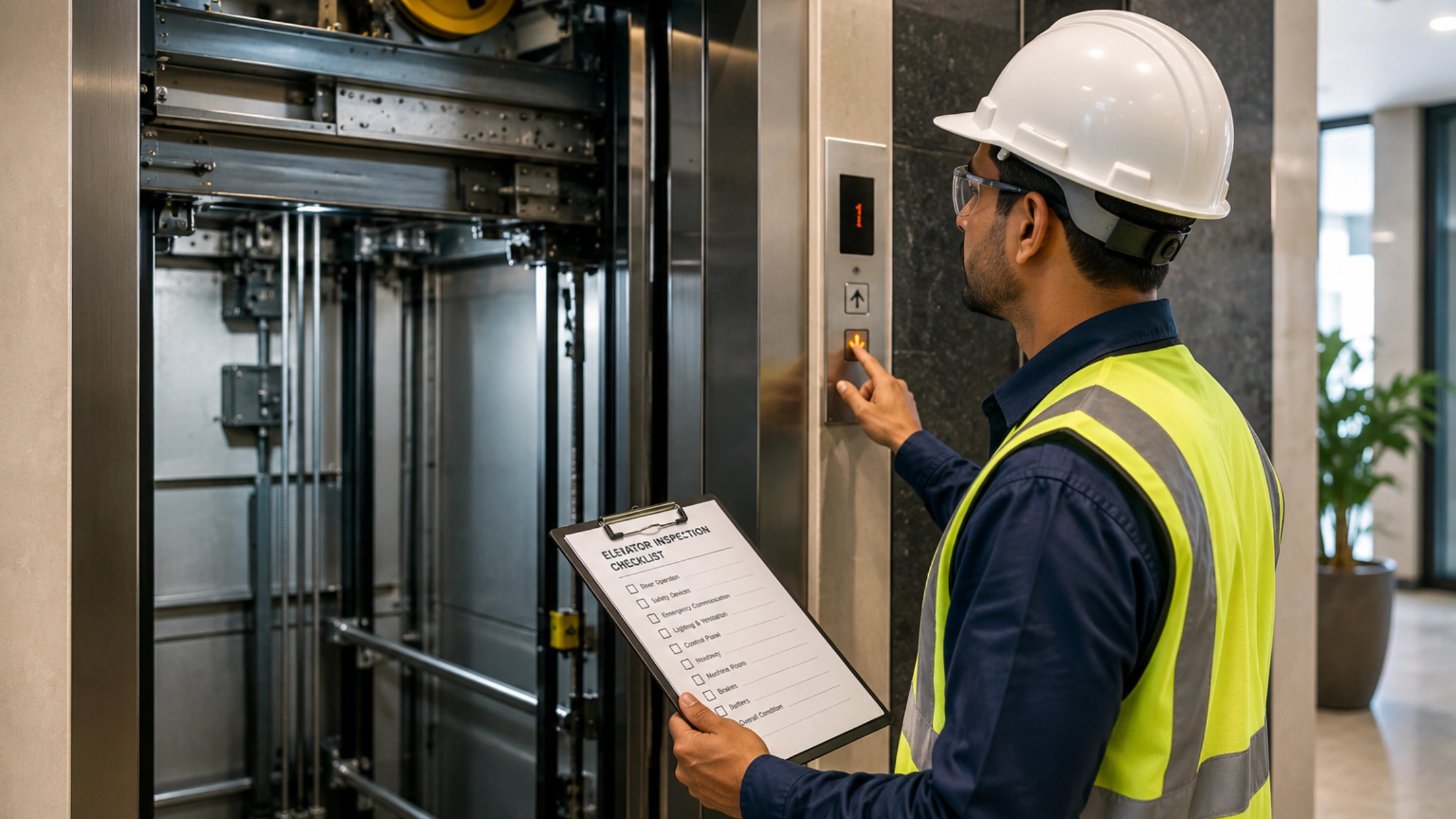
A lift inspection is a detailed examination of an elevator system to ensure that all components are functioning correctly and safely.
During an inspection, trained professionals evaluate various parts of the elevator, including:
- Doors and locks
- Control systems
- Safety devices
- Electrical connections
- Cables and ropes
- Motors and machinery
- Emergency systems
The purpose of an inspection is to identify potential issues before they become serious safety concerns.
Why Lift Safety Matters
Elevators transport people every day, making safety a top priority.
A malfunctioning lift can create several risks, including:
- Passenger entrapment
- Sudden stoppages
- Door malfunctions
- Electrical failures
- Mechanical breakdowns
Regular inspections help reduce these risks and ensure that elevators continue to operate safely and efficiently.
Benefits of Regular Lift Inspection
1. Improved Passenger Safety
The primary purpose of lift inspections is to protect passengers.
Routine inspections help identify worn-out parts, faulty systems, and potential hazards before they lead to accidents.
By addressing issues early, building owners can provide a safer environment for everyone using the elevator.
2. Early Detection of Problems
Many elevator issues begin as small problems that are difficult to notice during normal operation.
Inspections allow technicians to detect:
- Loose components
- Worn cables
- Electrical faults
- Alignment issues
- Brake wear
Early detection helps prevent minor problems from becoming major repairs.
3. Reduced Risk of Breakdowns
Unexpected elevator breakdowns can be inconvenient and costly.
Regular inspections help ensure that all systems are functioning correctly and reduce the likelihood of sudden failures.
This improves reliability and minimizes disruptions for building occupants.
4. Longer Equipment Lifespan
Elevators are a long-term investment.
Regular inspections help maintain the condition of critical components and reduce excessive wear.
Proper maintenance and inspections can significantly extend the lifespan of an elevator system.
5. Better Operational Performance
An elevator that receives regular inspections typically performs more efficiently.
Benefits may include:
- Smooth operation
- Faster response times
- Reduced vibration
- Improved ride comfort
- Consistent performance
These improvements contribute to a better overall user experience.
Components Checked During Lift Inspection
A thorough lift inspection involves evaluating multiple systems.
Elevator Doors
Doors are among the most frequently used elevator components.
Inspectors check for:
- Proper opening and closing
- Sensor functionality
- Door alignment
- Locking mechanisms
Door-related issues are one of the most common causes of elevator malfunctions.
Safety Systems
Safety devices play a critical role in elevator operation.
These may include:
- Emergency brakes
- Overspeed governors
- Alarm systems
- Emergency communication devices
Inspectors ensure that these systems are functioning correctly.
Electrical Systems
Electrical components control elevator movement and communication.
Inspections include checking:
- Wiring
- Control panels
- Circuit connections
- Backup power systems
Proper electrical performance is essential for safe operation.
Mechanical Components
Technicians also examine:
- Motors
- Pulleys
- Bearings
- Ropes
- Drive systems
These components are essential for elevator movement and reliability.
The Role of Preventive Maintenance
Preventive maintenance and inspections work together to improve elevator safety.
While maintenance focuses on servicing and replacing parts, inspections help identify potential issues that may require attention.
Regular lift service in Bangalore often includes both inspection and maintenance activities to ensure elevators remain in excellent working condition.
Combining these practices helps building owners reduce long-term repair costs and improve reliability.
Common Problems Identified During Inspections
Regular inspections often reveal issues such as:
Worn Components
Parts naturally wear down over time and may require replacement.
Misaligned Doors
Improperly aligned doors can affect safety and performance.
Electrical Faults
Damaged wiring or faulty connections can create operational issues.
Brake Problems
Brake systems must function properly to ensure safe stopping.
Excessive Vibration
Unusual vibration may indicate mechanical wear or alignment issues.
Identifying these problems early helps prevent more serious failures.
How Often Should Lift Inspections Be Conducted?
Inspection frequency depends on factors such as:
- Building type
- Elevator usage
- Manufacturer recommendations
- Local regulations
Generally, elevators should undergo regular inspections throughout the year to ensure continued safety and compliance.
High-traffic buildings may require more frequent inspections due to increased usage.
Importance of Professional Inspections
Lift inspections should always be performed by trained professionals.
Experienced inspectors understand:
- Safety requirements
- Technical specifications
- Regulatory standards
- Maintenance procedures
Professional evaluations provide building owners with confidence that their elevator systems are operating safely.
Lift Inspections and Regulatory Compliance
Many regions require elevators to meet specific safety standards.
Regular inspections help ensure compliance with:
- Safety regulations
- Building codes
- Industry standards
Failure to comply with inspection requirements may result in penalties or operational restrictions.
Maintaining proper inspection records also demonstrates a commitment to safety.
How Lift Inspections Benefit Building Owners
Building owners gain several advantages from regular inspections, including:
- Enhanced safety
- Reduced liability risks
- Improved tenant satisfaction
- Lower repair expenses
- Better equipment performance
- Increased property value
Investing in inspections is often more cost-effective than dealing with major repairs or unexpected breakdowns.
Creating a Safer Building Environment
A safe building requires attention to all critical systems, including elevators.
Regular lift inspections help create an environment where residents, employees, and visitors can travel confidently between floors.
When elevators operate reliably, building occupants experience greater convenience and peace of mind.
Many property owners searching for the best elevators company in Bangalore consider inspection and maintenance support as important factors when selecting an elevator provider.
FAQs
- What is the purpose of a lift inspection?
A lift inspection helps identify safety risks, mechanical issues, and performance problems before they lead to major failures. - How does regular lift inspection improve safety?
Regular inspections ensure that safety systems, doors, brakes, and electrical components are functioning properly. - Can lift inspections reduce maintenance costs?
Yes, detecting issues early can help avoid expensive repairs and unexpected breakdowns. - Are lift inspections necessary for residential elevators?
Yes, both residential and commercial elevators should undergo regular inspections to ensure safe operation. - What are the benefits of routine lift inspections?
Routine inspections improve safety, increase reliability, extend elevator lifespan, and enhance overall performance.
Conclusion
Regular lift inspections are one of the most effective ways to maintain elevator safety, reliability, and performance. By identifying potential problems early and ensuring that all systems function properly, inspections help prevent accidents, reduce downtime, and extend equipment lifespan.
Building owners who prioritize inspections can create safer environments while protecting their investment in elevator infrastructure. Companies like BG Elevators understand the value of proactive safety measures and encourage routine inspections as part of a comprehensive elevator care program.
As elevators continue to play an important role in residential and commercial buildings, regular inspections will remain essential for ensuring safe and dependable operation. With expert guidance from BG Elevators, property owners can maintain high safety standards and enjoy long-term elevator reliability.