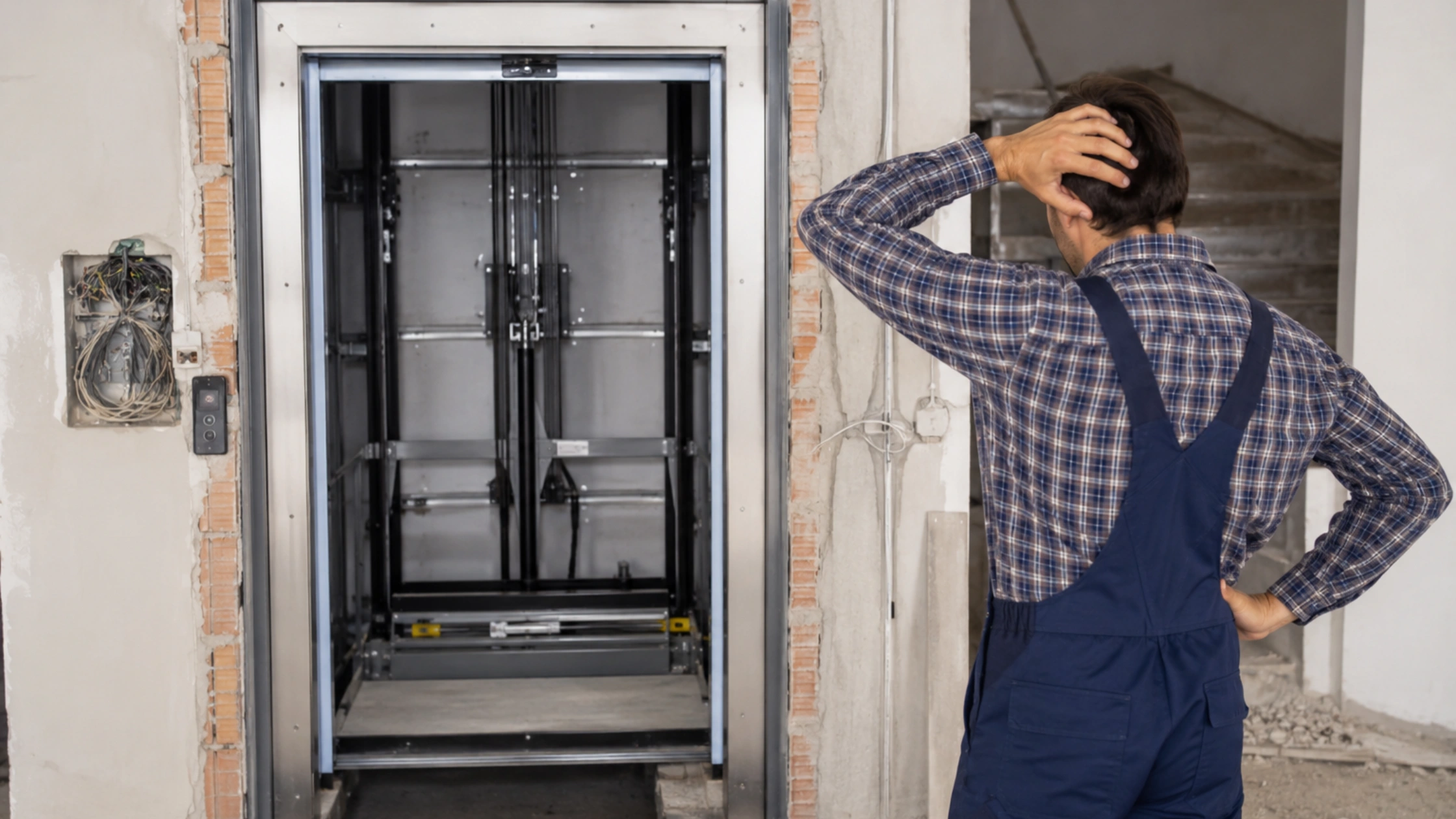
Installing a lift is an important part of any residential or commercial construction project. A properly planned and installed elevator improves accessibility, convenience, and property value. However, many builders make avoidable mistakes during the installation process that can lead to delays, increased costs, and operational issues in the future. This is why many developers consult experienced lift dealers in Bangalore before finalizing elevator plans for their projects.
As modern buildings become more complex, careful planning and professional installation have become essential. Companies like BG Elevators understand the challenges builders face when integrating elevator systems into new developments. With years of industry experience, BG Elevators has helped numerous projects avoid common installation errors and achieve reliable elevator performance.
In this blog, we will discuss some of the most common lift installation mistakes builders make and how they can be avoided.
Why Proper Lift Installation Matters
A lift is a long-term investment that directly affects the functionality of a building. Poor planning during installation can create problems that may continue throughout the life of the elevator.
Proper installation helps ensure:
- Safe operation
- Smooth performance
- Reduced maintenance costs
- Better passenger experience
- Compliance with regulations
- Long-term reliability
By understanding potential mistakes early, builders can save both time and money.
Mistake 1: Not Planning Elevator Requirements Early
One of the biggest mistakes builders make is waiting too long to plan the elevator system.
Elevator requirements should be considered during the early stages of building design. Delayed planning can lead to structural modifications, additional expenses, and project delays.
Builders should determine:
- Elevator type
- Number of floors
- Passenger capacity
- Shaft dimensions
- Future building requirements
Early planning helps avoid unnecessary complications later.
Mistake 2: Choosing the Wrong Elevator Type
Different buildings require different elevator solutions.
Some builders select elevators based solely on cost rather than considering the specific needs of the building.
Common elevator types include:
- Passenger elevators
- Home elevators
- Goods elevators
- Hospital elevators
- MRL elevators
- Hydraulic elevators
Selecting the wrong system may result in operational inefficiencies and future upgrades.
Mistake 3: Ignoring Space Requirements
Every elevator system requires adequate space for safe and efficient operation.
Builders sometimes underestimate the space needed for:
- Elevator shafts
- Pit depth
- Headroom
- Machine components
- Door clearance
Insufficient space can affect performance and may require costly design changes.
Proper coordination between architects, engineers, and elevator professionals is essential.
Mistake 4: Overlooking Traffic Analysis
Building traffic patterns play a major role in elevator performance.
A lift that works well in a small apartment building may not be suitable for a large residential complex or commercial property.
Builders should consider:
- Number of occupants
- Peak usage hours
- Waiting times
- Future occupancy growth
Ignoring these factors can lead to overcrowding and user dissatisfaction.
Mistake 5: Poor Shaft Construction
The elevator shaft is one of the most important components of the installation process.
Poor shaft construction can create problems such as:
- Misalignment
- Excessive vibration
- Door issues
- Safety concerns
Builders should ensure that shaft dimensions are accurate and comply with installation specifications.
Mistake 6: Neglecting Electrical Requirements
Elevators require a stable and reliable electrical supply.
Some projects fail to properly plan for:
- Power requirements
- Backup systems
- Wiring layouts
- Control panel locations
Electrical issues can affect elevator performance and increase downtime.
Proper electrical planning should always be part of the installation process.
Mistake 7: Focusing Only on Initial Cost
Choosing the lowest-priced elevator solution may seem attractive during construction, but it can create long-term challenges.
Builders should consider:
- Reliability
- Energy efficiency
- Maintenance requirements
- Product lifespan
- Safety features
A higher-quality elevator often delivers better long-term value.
Mistake 8: Ignoring Future Maintenance Needs
Many builders focus on installation while overlooking future maintenance requirements.
Regular servicing is necessary to ensure elevator safety and efficiency.
Following an elevator maintenance checklist helps property owners identify potential issues before they become major problems. Proper maintenance planning should be discussed before installation to ensure easy access for inspections and servicing.
Mistake 9: Not Considering Accessibility Requirements
Modern buildings should be accessible to everyone.
Some builders fail to account for:
- Wheelchair users
- Elderly residents
- Individuals with mobility challenges
Elevator dimensions, controls, and entry points should be designed to support accessibility requirements.
A user-friendly elevator improves convenience for all occupants.
Mistake 10: Poor Coordination Between Teams
Successful elevator installation requires collaboration between multiple teams.
These may include:
- Architects
- Structural engineers
- Electrical contractors
- Elevator technicians
- Project managers
Poor communication can lead to errors, delays, and additional costs.
Regular project coordination meetings can help identify issues early and ensure smooth installation.
Mistake 11: Skipping Safety Considerations
Safety should never be treated as an afterthought.
Builders must ensure that elevator systems include appropriate safety features such as:
- Emergency alarms
- Backup power systems
- Door sensors
- Overload protection
- Emergency communication systems
Investing in safety from the beginning helps prevent future risks.
Mistake 12: Not Planning for Future Building Growth
Some buildings may expand over time.
Builders who only focus on current requirements may face challenges if occupancy increases in the future.
Considering long-term needs can help ensure that the elevator system remains effective as the building evolves.
Future-ready planning can reduce the need for expensive upgrades later.
How Builders Can Avoid These Mistakes
Avoiding installation mistakes begins with proper planning and expert guidance.
Builders should:
- Start elevator planning early
- Work with experienced professionals
- Conduct detailed site evaluations
- Select suitable elevator systems
- Follow safety standards
- Prioritize long-term performance
A proactive approach helps improve project outcomes and elevator reliability.
Many developers research the best elevators company in Bangalore when looking for professional guidance and reliable elevator solutions that support successful building projects.
FAQs
- When should builders start planning for lift installation?
Builders should begin elevator planning during the initial design stage to avoid costly changes later. - How does choosing the wrong elevator impact a project?
The wrong elevator can lead to poor performance, higher operating costs, and future upgrade requirements. - Why is elevator shaft accuracy important?
Accurate shaft dimensions ensure smooth installation, proper alignment, and safe elevator operation. - What role does maintenance planning play in lift installation?
Maintenance planning helps ensure easy servicing, reduces downtime, and improves long-term elevator reliability. - How can builders ensure a successful lift installation?
By working with experienced elevator professionals, following safety standards, and planning the installation process carefully.
Conclusion
Lift installation is a critical part of modern construction, and even small mistakes can lead to long-term challenges. From poor planning and incorrect elevator selection to inadequate maintenance preparation, builders must carefully evaluate every stage of the installation process.
Working with experienced elevator professionals can help builders avoid common errors and ensure smooth project execution. Companies like BG Elevators provide valuable expertise that helps developers choose suitable elevator systems while maintaining high standards of safety and performance.
As construction projects continue to become more sophisticated, proper elevator planning will remain essential for creating functional and future-ready buildings. By partnering with trusted industry experts such as BG Elevators, builders can reduce risks, improve efficiency, and deliver better experiences for building occupants.